

Why Choose Us?
Rich Experience
Our working team have experienced more than 10 years on extrusion processing.It is one specialized is engaged in the twin-screw and single screw food expanding machinery enterprises, company with research and development, production, sales of all kinds of machinery and complete sets of equipment for the main business, my company brings together industry expert team work for ten years, not only in the best extrusion technology research, more efforts to continuously explore in terms of food technology, so that the customer production to the market leading food.
Wide Product Range
Our mainly products: Snacks food extruder, fish food machine, dog food machine, pet food machine, puff snacks machine,core filling snacks machinery, Corn Puff Snack Extruder, pet chews food machine, pet snacks machine, corn flakes production line, lab twin screw extruder, twins screw extruder, double screw extruder, niknaks machine, cheetos food machine, textured soya protein food machine, soya nugget machine, pellets snacks production line, and so on…
Wide Range of Product Exports
At present, the company equipment exported to Europe, Egypt, Jordan, South Africa, Iran, Italy, France, the Netherlands, UK, Russia, Turkey, Ukraine, belarus, America: Canada, the United States, Chile, suriname, Brazil; Africa: Brazil, Malawi, mozambique, Nigeria and Congo (cloth), lesotho, Asia: Burma, Vietnam, the Philippines, Thailand, Indonesia, Malaysia, India, kazakhstan, kyrgyzstan, uzbekistan, north Korea, Afghanistan, Iran, Lebanon, tajikistan and other countries.
Excellent Customer Service
Installation + training: After delivery, according to the needs of the purchasing customer, the after-sales service personnel will arrive at the designated place of the customer, to install the equipment in time.
Service + tracking: After-sales service personnel need to do a follow-up survey of each customer responsible for their own use of equipment, and conduct detailed records and targeted problems to solve.
What is Food Packing Machine?
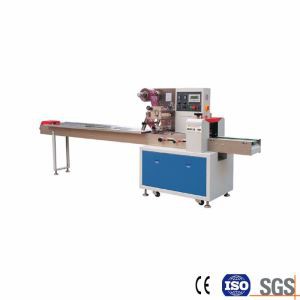
Food packaging machines are devices designed to automate the packaging process in the food industry. These machines are specifically engineered to efficiently package various types of food products, ensuring product safety, quality, and integrity throughout the packaging process.
What is Bone Grinding Machine?
Bone grinding machine is a piece of equipment regularly used for crushing animal and fish bones into fine pieces or a paste. Bones obtained can be but not limited to beef bone, pork bone, sheep bone, donkey bone, fish bone, chicken bone, and more.
What is Pulverizer?
A pulverizer machine is commonly used for food grinding. It is a kitchen appliance or industrial equipment designed to reduce solid food items into smaller, finely ground particles or powder. This grinding process is essential in various aspects of food preparation and processing, and pulverizers serve several purposes in the food industry.
-

Chocolate Enrobing Machine
This is a special machine for producing all kinds of different kinds of chocolate pasted coated Add to Inquiry -
Degradable Starch Foam Filling Machine
The Void Fill Production Machine is a specialized packaging equipment designed to produce Add to Inquiry -
Packaging Peanuts Foams Extruder Make Machine
The Biodegradable Void Fill Machine is an eco-friendly packaging solution designed to produce Add to Inquiry -
Seasoning Machine
Eight square seasoning machine Features: 1.Wided Application. it could be used to favor many kinds Add to Inquiry -
Cooling Tower
Cooling Tower 1. The cooling tower body is made of FRP, anti-aging, anti-corrosion, no fading, no Add to Inquiry -
Fryer
Electric heating power is 60kw; this equipment is all made of stainless steel, stainless steel heat Add to Inquiry -
Pulverizer
Multifunctional Pulverizer is characterized by small granularity,low temperature, stable technique Add to Inquiry -
Food Packing Machine
Tha food packing machine suitable for automatic packaging of granular, sheet and strip products. Add to Inquiry -
Pulverizer / Milling Machine
Various types of pulverizer machine are available to meet the needs of different customers. Our Add to Inquiry -
Mixing Equipment
The machine is widely applied to medication, food, chemicals, fodder, ceramics, refractories, Add to Inquiry -
Chip Snack Production Machinery
Fried Chip Snack Production Machinery is mainly made up with raw materials treatment system, Add to Inquiry -
Automatic Packaging Machine
Tha packing machine suitable for automatic packaging of granular, sheet and strip products. Such as Add to Inquiry


Advantages of Food Packing Machine
Cost Saving
Automated machines are designed to package products quickly and accurately, which reduces product waste and helps keep labour costs down. Additionally, these machines offer consistent performance, meaning that they can be relied upon for long-term savings.
Increased Efficiency
Automated packaging solutions help streamline production processes by making it easier for staff to package items quickly and accurately. This leads to increased efficiency in your production facility, as staff members no longer have to wrestle with manual packaging methods or other makeshift solutions.
Better Quality Packaging
Manual packing methods can be time-consuming and often lead to poor quality results due to inconsistencies in the process. Food packaging machines offer superior quality results compared to manual packing methods due to their automated nature and ability to package items consistently every time they are used. This leads to better-quality packages with fewer errors or defects than those produced manually.
Enhanced Safety
Food packaging machines reduce the risk of injury by eliminating the need for workers to pack items into boxes or other containers by hand manually. This reduces the risk of musculoskeletal injuries caused by repetitive motions and exposure to hazardous materials like sharp edges or heavy objects that could cause injury if mishandled during manual packing processes.
Reduced Need for Troubleshooting
By improving efficiency and reducing errors through automated solutions like food packaging machines, productivity increases significantly throughout your production facility as fewer resources are needed for each task, and less time is spent troubleshooting or correcting mistakes due to human error in manual packing processes.
Types of Food Packing Machine
Food Vacuum Packaging Machine
It is one of the most efficient packaging machine to pack foods because it avoids air making food remain fresh. As aerobic microorganisms are responsible in swift deterioration of foods, they hardly thrive or are immobilized under this condition.
Biscuit Packaging Machine
Biscuit packaging machine is another type of food packaging equipment. It is usually fitted with electronic digital temperature controller to maintain high precision in achieving the desired temperature during food packing process.
Bundling Food Packaging Equipment
Bundling Food packaging Equipment is quite common and is widely used by many food suppliers. It is capable of storing huge quantity of foods before they are banded or wrapped together as a single bundle.
Bagging Machine
It is popular in several China food processing factories. Foods in this case are packed in bags, sacks and pouches. This bagging machine is common to pack cereals and powdered foods such as milk powder and sugar.
Closing Machines
These closing machines are similarly common in many food factories. This equipment is used to tie metal wires to enclose the food bag or pouch.
Capping Machines
Capping machines are popular among food suppliers of food syrups and drinks. This equipment is not used solely to pack food items but it is usually used in conjunction with other food packaging equipment.
Accumulation machinery
Accumulation machinery is used along with the capping machine. This machine allows proper alignment of bottles for systematic and organized filling of foods. It is used in soda companies and bottled-water companies.
4 Basic Things a Food Packaging Machine Must Deliver

Product protection
The packaged food must be transported to the point of sale in a way that complies with strict regulatory standards. It must not be damaged and should be protected from environmental contaminants like dirt, damp and insects.

Convenience
Logistical needs must be met. Transportation and storage are fundamental to quality food packaging, so products must be robust and easy to stack, but also convenient for the consumer.

Product identification
It must be easy for customers to identify the product, along with its size, quantity, ingredients and portions.
Branding and promotion
Packaging needs to be on-brand and eye-catching to attract customers.
The Considerations for Buying Food Packaging Machine
Make Sure that All Materials for the Structure Meet the Sanitation Requirements
Materials used for building the food packaging machine are pivotal to factory know that they are related to how technicians and operators may render cleanliness and sterilization. A cartoner or a sleever let it be, is free from rust and fits the requirement of wash-down, or say, just by washing the machine with a high-pressure water jet. Materials are also overarching in sections where the machine gets intimate and direct contact with the product. In that sense, they must be corrosion-resistant, non-toxic, and smoothly proceeded and debarred.
Structure with Maximum Level of Accessibility
Cleaning and disinfection are frequently carried out tasks at food processing plants, a fact that makes the accessibility be of utmost importance now that the more time it takes for cleaning, the longer the production is paused. For example, a conveyor should of wash-down property and can be easily removed for out-of-place cleaning. That is the same for the machine itself, there should not be any blind spot or dead end where the operator can not reach it with ease, and as a result of it dust and stains may accumulate over time.
Higher Standard Regarding Electrical Parts
We have mentioned the term “wash down” several times in the previous chapters. Designing a machine that is problem-free when being splashed with a water jet can put forward challenges for electrical parts and components. A common solution is to set a separate electrical cabinet, prepare the cables with waterproof properties, and have all joints and wire interfaces processed to meet standards such as IP65 or IP67.
Get Your Food Packaging Machine and Systems Installed at the most Restricted Zone
Relative regulations require a certain and limited level of bacteria and microorganisms left in the package. And processes when the product is loaded into an extra level of packaging are vulnerable to contaminants from the exterior context, especially when it comes to the secondary and tertiary packaging. In that sense, it is of the utmost importance to keep your packaging equipment and machines in an area or zone of the highest standard possible of hygiene and restriction to keep any physical, chemical, and biological factors from the exterior context at a limited level.
Check with Your Supplier for Site and Production Line Design
Though you are the one that owns the site where the food packaging machine and production line is going to be installed, consulting your supplier in the first place and sending them a site layout for advice is still critical and the foundational step of your project. Engineers and technicians at the food packaging machine manufacturer usually get more experience and expertise now that they may have tackled bunches of projects for various industries and cases of sites.
Tips for Maintaining a Bone Grinding Machine
Regular Cleaning and Sanitization
One of the fundamental aspects of maintaining a bone grinding machine is regular cleaning. Over time, bone fragments and residue can accumulate within the machine, leading to inefficiency and potential hygiene issues. Cleaning the machine regularly ensures that it operates at peak performance and reduces the risk of contamination.
Lubrication and Maintenance
Proper lubrication is essential for the smooth operation of your bone grinding machine. Without adequate lubrication, the machine's moving parts can wear down quickly, leading to costly repairs or replacements. Regularly lubricate the machine as per the manufacturer's recommendations.
Inspect for Wear and Tear
Regularly inspect your bone grinding machine for signs of wear and tear. Damaged or worn-out components can jeopardize the machine's efficiency and safety. Check for loose or damaged belts, chains, and pulleys, and replace them as needed. Also, look for any cracked or damaged parts that may need immediate attention.
Blade Inspection and Sharpening
The primary function of a bone grinding machine is to break down bones, and this places significant stress on the blades and teeth. Dull or damaged blades can reduce the machine's efficiency and lead to uneven results. Sharpen the blades and teeth according to the manufacturer's guidelines, or seek professional assistance if necessary.
Properly Align Components
Misaligned components can cause your bone grinding machine to operate inefficiently and may lead to mechanical failures. Ensure all parts, including belts, pulleys, and gears, are properly aligned. Regularly check and adjust their alignment as needed to maintain smooth operation.
Maintain Electrical Components
bone grinding machines often include electrical components such as motors, switches, and wiring. Regularly inspect these components for signs of damage or wear. Loose connections and frayed wires can lead to electrical malfunctions or safety hazards. If you encounter any issues, consult a qualified electrician or technician to make necessary repairs.
Safety Checks
Safety is a paramount concern when maintaining any industrial machine, including a Beef bone crusher grinder. Ensure that all safety features and mechanisms are in good working order. This includes emergency stop buttons, safety guards, and interlocking systems. Regularly test these features to guarantee they function correctly and replace any malfunctioning components immediately.
Keep a Maintenance Schedule
Maintaining a schedule for your bone grinding machine's upkeep is crucial for its longevity and performance. By creating a well-structured maintenance plan, you can prevent unexpected breakdowns and ensure the machine functions optimally.
Train Your Operators
The effectiveness of your bone grinding machine depends on the competence of your operators. Proper training ensures safe and efficient operation, preventing accidents and extending the machine's lifespan.
What Is a Pulverizer Used For?
Spice Grinding
Pulverizers are widely used to grind spices like cumin, coriander, turmeric, and pepper into fine powders. These ground spices are essential ingredients in many culinary dishes.
Grain Milling
In households and commercial kitchens, pulverizers can be used to mill grains like wheat, rice, and maize into flour. This freshly ground flour is often preferred for making bread, chapati, and other baked goods.
Herb Grinding
Pulverizers are employed to grind herbs and dried leaves into powder form. This is commonly done for culinary purposes and in herbal medicine preparations.
Nut Grinding
Pulverizers can be used to grind nuts such as almonds, peanuts, and cashews into a paste or powder. Nut pastes are used in recipes like sauces, dips, and confections.
Coffee Grinding
In the coffee industry, specialized pulverizers, known as coffee grinders, are used to grind coffee beans into various degrees of fineness to prepare coffee.
Bakery and Confectionery
Pulverized ingredients like sugar and cocoa powder are essential in baking and confectionery production for making cakes, chocolates, and other sweet treats.
Preparation of Food Ingredients
Pulverizers are used to break down large food ingredients into more manageable sizes before further cooking or processing.
How Does The Pulverizer work In General?
It is very important to understand the mechanism of the pulverizer. The machines are logically driven that every bit of grinding and collecting can be specifically done through that. There is basically a cylindrical hollow through which you can add hard materials inside, the inside, invisible grinder, crushes the materials into a very soft and fine material. The fine material is later collected from the other side in a container. The machine is generally made of very hard stainless steel to prevent it from rusting and destroying not only the machine but also the food material. The motor is inside the grinder to make it grind. There is no residue left inside the motor, the technology is designed in such a way that it differentiates the fine powder and the residue in different containers.
Types of Pulverizer
Hammer Mill Pulverizer
This type of pulverizer uses a series of hammers to crush and grind materials into fine powders. It is ideal for grinding grains, spices, and herbs.
Impact Pulverizer
An impact pulverizer uses centrifugal force to crush materials against a rotating plate. It is suitable for grinding minerals, chemicals, and pharmaceuticals.
Micro Pulverizer
A micro pulverizer is used for very fine grinding of materials. It is ideal for grinding spices, grains, and other dry ingredients.
Ball Mill Pulverizer
A ball mill pulverizer uses steel balls to crush and grind materials. It is commonly used in laboratories for grinding samples.
Factors to Consider When Buying a Pulverizer
Capacity
You want a pulverizer that can handle the amount of food ingredients you need to pulverize. If you purchase a pulverizer that is too small, it will slow down your production, leading to longer processing times, and eventually cost you money in lost sales. If you purchase a pulverizer that is too large, it will be inefficient, leading to wasted energy and increased operating costs.
Material of Construction
The material of construction is another important factor to consider when choosing a pulverizer. The pulverizer should be made of materials that are durable, safe, and easy to clean. Stainless steel is a popular choice because it is corrosion-resistant, durable, and easy to clean. Some pulverizers are also available with ceramic or tungsten carbide grinding components, which can be useful for grinding abrasive materials.
Ease of Cleaning and Maintenance
Cleaning and maintenance should not be overlooked. A pulverizer that is easy to clean and maintain will save you time and money in the long run. Consider the ease of disassembly and access to internal parts when selecting a pulverizer. If the pulverizer is difficult to clean and maintain, it will increase downtime, leading to lost production and increased operating costs.
Cost
You want a high-quality pulverizer that meets your requirements, but also fits within your budget. Be sure to consider the initial purchase price, operating costs, and expected lifespan when evaluating the cost of a pulverizer.
Our Factory
Our Company, established in 2012. Our manufacturing factory is more than 6000m2, workers more than 60 person. Our working team have experienced more than 10 years on extrusion processing.It is one specialized is engaged in the twin-screw and single screw food expanding machinery enterprises, company with research and development, production, sales of all kinds of machinery and complete sets of equipment for the main business, my company brings together industry expert team work for ten years, not only in the best extrusion technology research, more efforts to continuously explore in terms of food technology, so that the customer production to the market leading food.

FAQ
We're professional accessory food equipment manufacturers and suppliers in China, specialized in providing high quality products. We warmly welcome you to wholesale bulk accessory food equipment at competitive price from our factory.
easy to operate pasta line, pasta production for catering, polyurethane extruder