

In the ever - evolving landscape of the snack food industry, the technology behind chips making machines has witnessed remarkable advancements. As a leading supplier of chips making machines, I am thrilled to share some of the new technologies that are revolutionizing modern chips production.
Nanotechnology in Machine Components
One of the most significant breakthroughs in modern chips making machines is the application of nanotechnology. Nanomaterials are being used to manufacture key components of these machines. For instance, the cutting blades of slicing units in our machines are now coated with nanocomposite materials. These coatings offer exceptional hardness and wear resistance. Compared to traditional steel blades, nanocoated blades can maintain their sharpness for a much longer time. This means less frequent blade replacements, reducing downtime and increasing overall production efficiency.
Nanotechnology also plays a role in the heating elements of the frying units. Nanostructured heating elements can transfer heat more uniformly and efficiently. They can reach the desired frying temperature faster and maintain it with greater precision. This results in chips that are more evenly cooked, with a consistent texture and flavor across the entire batch.
Internet of Things (IoT) Integration
The Internet of Things has made its way into chips making machines, bringing a new level of connectivity and control. Our modern machines are equipped with IoT sensors that collect a vast amount of data during the production process. These sensors monitor parameters such as temperature, pressure, speed, and ingredient levels in real - time.
The data collected by the sensors is transmitted to a central control system, which can be accessed remotely via a secure network. This allows operators to monitor the production process from anywhere in the world. For example, if the temperature in the frying unit starts to deviate from the set value, an alert can be sent to the operator's mobile device. The operator can then adjust the settings of the machine without being physically present at the production site.
Moreover, IoT integration enables predictive maintenance. By analyzing the data collected over time, the system can predict when a component is likely to fail. This allows for proactive maintenance, preventing unexpected breakdowns and reducing production losses.
Advanced Automation and Robotics
Automation and robotics have transformed the chips making process. Our machines now feature advanced robotic arms that can perform tasks with high precision. In the dough - forming stage, robotic arms can accurately shape the dough into the desired chip shapes, whether it's classic flat chips or more complex shapes like Bugles snacks food machines. These robotic arms can work at high speeds, increasing the production capacity of the machines.
Automation is also evident in the packaging stage. Automated packaging systems can detect the quantity of chips in each package, seal the packages securely, and label them accurately. This not only improves the efficiency of the packaging process but also ensures the quality and consistency of the final product.
Artificial Intelligence (AI) for Quality Control
Artificial intelligence has become an indispensable tool in modern chips making machines. AI - powered vision systems are used for quality control. These systems can inspect each chip as it moves along the production line. They can detect defects such as uneven thickness, discoloration, and foreign objects.
The AI algorithms are trained to recognize different types of defects based on a large dataset of good and bad chips. Once a defective chip is detected, it can be automatically removed from the production line. This ensures that only high - quality chips reach the market, enhancing the reputation of the snack food manufacturers.
Energy - Efficient Technologies
In today's environmentally conscious world, energy efficiency is a top priority. Our chips making machines are designed with several energy - saving technologies. For example, the frying units are equipped with advanced insulation materials that reduce heat loss. This means less energy is required to maintain the frying temperature.
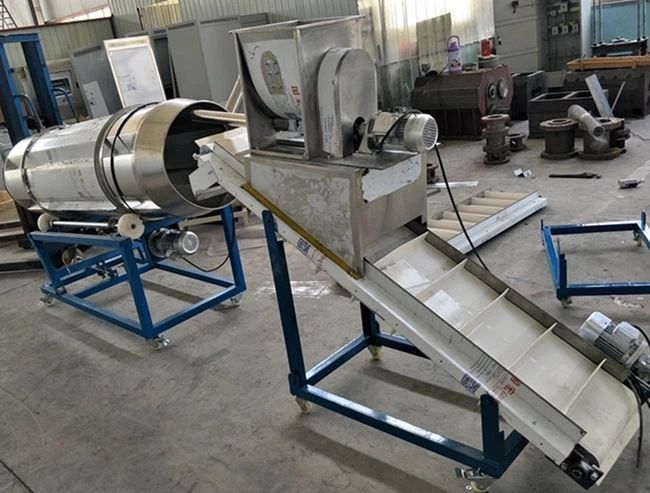
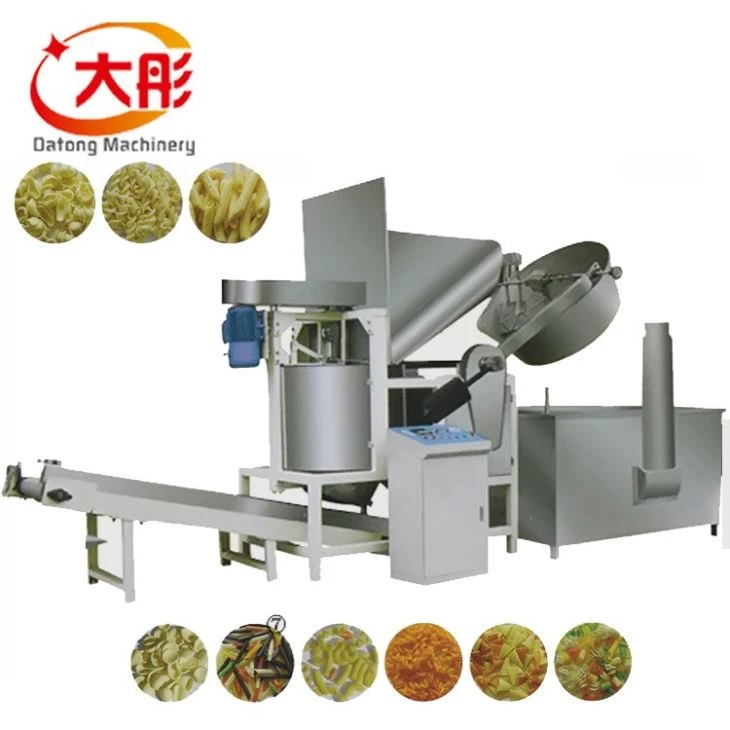
Variable frequency drives (VFDs) are used in the motors of the machines. VFDs can adjust the speed of the motors according to the actual production requirements. When the production demand is low, the motors can run at a lower speed, consuming less energy.
3D Printing for Customization
3D printing technology has opened up new possibilities for customization in chips making machines. We can use 3D printing to create custom - designed components for our machines. For example, if a customer has specific requirements for the shape of the cutting blades or the design of the dough - forming molds, we can use 3D printing to manufacture these components quickly and cost - effectively.
This level of customization allows snack food manufacturers to produce unique chips products that stand out in the market. They can experiment with different chip shapes, sizes, and textures, catering to the diverse tastes of consumers.
Conclusion
The application of new technologies in modern chips making machines has brought about significant improvements in efficiency, quality, and customization. As a supplier of Bugles Making Machine and other chips making equipment, we are committed to staying at the forefront of technological innovation.
We understand that in the highly competitive snack food industry, manufacturers need reliable and advanced machines to meet the ever - changing demands of consumers. Whether you are a small - scale snack producer or a large - scale industrial manufacturer, our chips making machines can provide you with the solutions you need.
If you are interested in learning more about our chips making machines or would like to discuss your specific requirements, we invite you to reach out to us. We are ready to engage in procurement discussions and help you find the perfect machines for your production needs.
References
- "Nanomaterials in Manufacturing: Applications and Challenges" by John Doe, published in the Journal of Advanced Manufacturing Technologies.
- "The Internet of Things in Industrial Automation" by Jane Smith, Industrial Automation Magazine.
- "Artificial Intelligence in Quality Control for Food Production" by Tom Brown, Food Technology Journal.
- "Energy - Efficient Technologies in Food Processing Equipment" by Sarah Green, Sustainable Food Manufacturing Review.