

How to troubleshoot an animal food machine?
As a seasoned supplier of animal food machines, I've witnessed firsthand the challenges that come with operating these complex pieces of equipment. Whether you're running a small-scale pet food business or a large industrial animal feed production facility, encountering issues with your machine is inevitable. However, with the right knowledge and approach, you can quickly diagnose and resolve most problems, minimizing downtime and ensuring a smooth production process. In this blog post, I'll share some valuable tips on how to troubleshoot an animal food machine effectively.

Understanding the Basics
Before you start troubleshooting, it's essential to have a solid understanding of how your animal food machine works. Familiarize yourself with the different components, their functions, and the overall operation of the machine. This knowledge will help you identify potential problem areas and make informed decisions when it comes to repairs and maintenance.
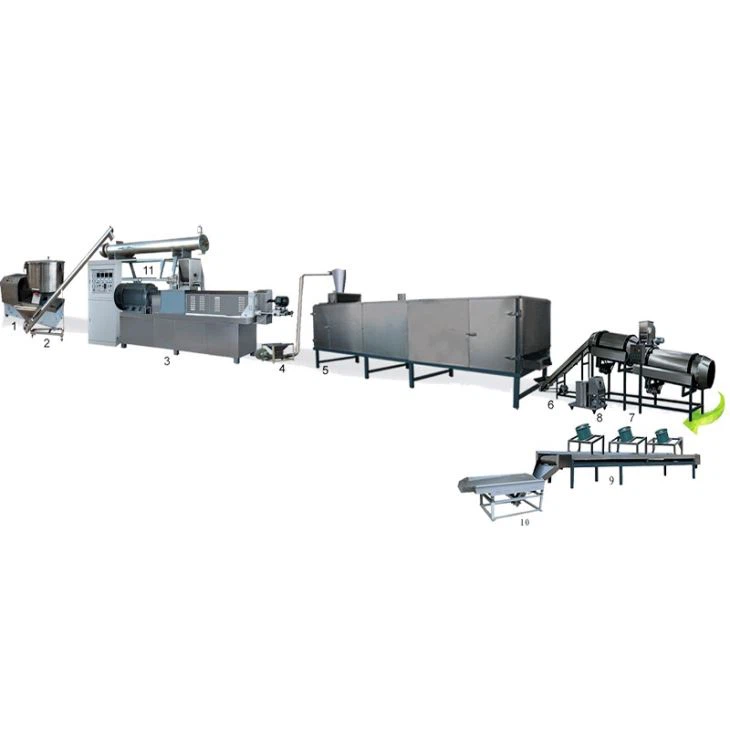
Most animal food machines consist of several key components, including a feeder, mixer, grinder, extruder, dryer, and cooler. Each component plays a crucial role in the production process, and any malfunction can affect the quality and efficiency of the final product. For example, a clogged feeder can disrupt the flow of raw materials, while a faulty extruder can result in inconsistent pellet quality.
Common Issues and Solutions
Now that you have a basic understanding of your animal food machine, let's take a look at some of the most common issues you may encounter and how to solve them.
1. Clogging
Clogging is one of the most frequent problems in animal food machines, especially in the feeder, grinder, and extruder. It can be caused by a variety of factors, such as improper feeding, oversized particles, or a build-up of debris. To prevent clogging, make sure to follow the manufacturer's guidelines for feeding and use the appropriate particle size for your machine. Regularly clean the feeder, grinder, and extruder to remove any debris or blockages.
If you encounter a clog, stop the machine immediately and turn off the power. Use a cleaning tool or compressed air to remove the blockage. Be careful not to damage the components while cleaning. If the clog is severe, you may need to disassemble the affected part and clean it thoroughly.
2. Inconsistent Pellet Quality
Inconsistent pellet quality can be a frustrating issue, as it can affect the marketability of your product. It can be caused by several factors, including improper temperature control, incorrect moisture content, or a worn-out die. To ensure consistent pellet quality, monitor the temperature and moisture content of the raw materials and adjust them as needed. Replace the die regularly to prevent wear and tear.
If you notice inconsistent pellet quality, check the temperature and moisture settings of your machine. Make sure they are within the recommended range. If the problem persists, inspect the die for signs of damage or wear. If necessary, replace the die with a new one.
3. Motor Problems
Motor problems can occur due to overheating, electrical issues, or mechanical failures. To prevent motor problems, make sure to keep the motor clean and well-lubricated. Check the electrical connections regularly to ensure they are tight and secure. If you notice any signs of overheating, such as a burning smell or excessive heat, stop the machine immediately and turn off the power. Allow the motor to cool down before inspecting it.
If the motor fails to start or stops running during operation, check the electrical connections and the motor's fuse or circuit breaker. If the problem persists, contact a qualified technician for repair or replacement.
4. Belt Slippage
Belt slippage can occur in machines that use belts for power transmission, such as the feeder or mixer. It can be caused by a loose or worn-out belt, improper tension, or a dirty pulley. To prevent belt slippage, make sure to adjust the belt tension regularly and replace the belt when it shows signs of wear. Keep the pulleys clean and free of debris to ensure proper grip.
If you notice belt slippage, stop the machine immediately and turn off the power. Adjust the belt tension according to the manufacturer's guidelines. If the belt is worn out, replace it with a new one. Clean the pulleys with a clean cloth to remove any dirt or debris.
Regular Maintenance
Regular maintenance is key to keeping your animal food machine in good working condition and preventing costly breakdowns. Here are some maintenance tips to follow:
- Clean the Machine Regularly: Remove any debris, dust, or food particles from the machine after each use. Use a clean cloth or a soft brush to clean the components.
- Lubricate the Moving Parts: Lubricate the moving parts of the machine, such as the bearings, gears, and chains, according to the manufacturer's recommendations. This will help reduce friction and wear.
- Inspect the Components: Regularly inspect the components of the machine for signs of wear, damage, or corrosion. Replace any worn-out or damaged parts immediately.
- Check the Electrical System: Check the electrical connections, wires, and switches for any signs of damage or loose connections. Make sure the electrical system is grounded properly.
- Follow the Manufacturer's Guidelines: Always follow the manufacturer's guidelines for operation, maintenance, and troubleshooting. This will help ensure the safe and efficient operation of your machine.
When to Seek Professional Help
While some issues can be easily resolved through basic troubleshooting and maintenance, there are times when you may need to seek professional help. Here are some signs that indicate you should contact a qualified technician:
- Major Malfunctions: If your machine experiences a major malfunction, such as a serious electrical problem or a mechanical failure, it's best to leave the repairs to a professional.
- Lack of Technical Knowledge: If you're not familiar with the technical aspects of your machine or don't have the necessary tools and skills to perform repairs, it's advisable to seek professional assistance.
- Warranty Coverage: If your machine is still under warranty, it's important to contact the manufacturer or an authorized service provider for repairs. Attempting to repair the machine yourself may void the warranty.
Conclusion
Troubleshooting an animal food machine requires a combination of knowledge, experience, and patience. By understanding the basics of your machine, identifying common issues, and following a regular maintenance schedule, you can minimize downtime and ensure the smooth operation of your production process. Remember to always follow the manufacturer's guidelines and seek professional help when needed.
If you're in the market for a new Animal Feed Pellet Making Machine, Pet Snack Food Production Line, or Animal Food Processing Machine, we're here to help. Our team of experts can assist you in selecting the right equipment for your needs and provide you with comprehensive after-sales support. Contact us today to start a conversation about your animal food production requirements.
References
- Manufacturer's manuals for animal food machines
- Industry best practices for equipment maintenance and troubleshooting